A Practical Guide to Online Store Setup UK for Small Businesses
Why Your Small Business Needs an Online Store That Works
Running a small business in Lancashire has taught me one thing: the customers who walk through your door are just the start. The real growth comes when people can find you online, browse your products at midnight, and checkout without picking up the phone. That is where a solid online store setup uk makes all the difference. I have helped several local shops in Burnley move from a simple Facebook page to a proper e-commerce site, and the results speak for themselves.
But getting that setup right is not just about picking a platform and uploading photos. It involves choices about hosting, payment gateways, design, and legal compliance. Get it wrong and you risk losing sales or damaging your reputation. Get it right and you build a channel that works 24/7 for your business.
Choosing the Right E-commerce Platform
The first big decision is which e-commerce platform to build on. Each has strengths and trade-offs, especially for a UK small business. I have worked with WooCommerce, Shopify, Magento, and BigCommerce, and I can tell you there is no single best answer. It depends on your budget, technical comfort, and long-term plans.
WooCommerce runs on WordPress, which gives you full control over design and content. It is open source, so you pay for hosting and extensions rather than a monthly platform fee. That makes it popular among businesses that already use WordPress for their main site. However, you need to manage updates and security yourself, or pay a developer to do it. For a Burnley bakery I worked with, WooCommerce was ideal because they wanted a blog and a shop in one place.
Shopify is the opposite: a hosted solution that handles everything from domain name registration to SSL certificate installation. You pay a monthly subscription, but you get a reliable, secure store out of the box. Shopify integrates well with PayPal and Stripe, and its app store covers most needs. The downside is less flexibility with design and higher transaction fees if you use a payment gateway other than Shopify Payments. For a clothing boutique in Burnley that wanted to launch quickly, Shopify was the right call.

Magento (now Adobe Commerce) is powerful but heavy. It suits larger catalogues and businesses with dedicated developers. For most UK small businesses, it is overkill. BigCommerce sits somewhere between Shopify and Magento, good built-in features but still a monthly cost. I usually recommend BigCommerce only when a client expects to scale fast and needs multi-channel selling from day one.
Web Hosting and Domain Name Registration
Once you choose a platform, you need a domain and hosting. Domain name registration is straightforward, pick something short, memorable, and relevant to your business. For a Lancashire audience, including a local term in the domain can help with local SEO, but it is not essential.
Web hosting matters more than most people think. Shared hosting is cheap but slow. For an online store, site speed optimization is critical. A one-second delay can cut conversions by 7%. I have seen stores lose sales simply because the hosting could not handle traffic spikes. Look for managed WordPress hosting if you use WooCommerce, or use the hosting that comes with Shopify or BigCommerce. They include things like SSL certificate setup and server maintenance, so you can focus on products and marketing.
Payment Gateways: PayPal, Stripe, and Beyond
Your customers need to pay easily and securely. PayPal and Stripe are the two most common gateways for UK stores. PayPal is familiar and trusted, especially for older customers. Stripe offers a smoother checkout experience, often embedded directly in your site. Both support cards and digital wallets. I usually set up both and let customers choose.
Other options include direct bank transfers for B2B sales, or buy-now-pay-later services like Klarna. But for a typical small business, PayPal and Stripe cover the basics. Remember that GDPR compliance applies here, you must handle customer payment data responsibly, and your payment gateway should be PCI compliant.
Design That Sells: Mobile-First and Responsive
Over half of online purchases in the UK happen on a phone. That means mobile-first design is not optional. Your store must look good and work well on a small screen. Responsive web design ensures your layout adapts to any device. I have seen too many stores where buttons are too small to tap or text spills off the screen. That frustrates customers and kills sales.
When designing a store for a Burnley gift shop, we focused on large product images, clear call-to-action buttons, and a simplified checkout flow. We tested on actual phones, not just browser resizing. The result was a 30% increase in mobile conversions within three months. That is the power of getting design right.

Local SEO and Google Analytics
An online store does not exist in a vacuum. To attract customers in Lancashire and beyond, you need local SEO. That means claiming your Google Business Profile, getting reviews, and using location-based keywords. For example, if you sell handmade furniture in Burnley, your product pages should mention that. It helps you appear in local searches and builds trust.
Google Analytics is essential for understanding your visitors. Set it up from day one. Track where traffic comes from, which products get the most views, and where people drop off. Without data, you are guessing. I check analytics for my clients monthly and adjust their content and ads accordingly. It makes a difference.
GDPR Compliance and Legal Must-Haves
Selling online in the UK means following UK data protection law, even after Brexit. GDPR compliance covers how you collect, store, and use customer data. You need a privacy policy, cookie consent, and clear opt-in for marketing emails. I have seen small businesses get fined because they sent newsletters without permission. Do not take shortcuts here.
Your web developer or platform should help with this. Most e-commerce platforms include basic GDPR tools. But you are responsible for implementing them correctly. If you are unsure, consult a legal professional. It is worth the investment.
Practical Steps for Your Online Store Setup UK
Here is a checklist I use with clients in Burnley and across Lancashire:
- Choose your e-commerce platform based on your budget and technical skill (WooCommerce, Shopify, or BigCommerce are the best bets for small businesses).
- Register a domain name and set up reliable web hosting with an SSL certificate included.
- Integrate PayPal and Stripe for payments, and test the checkout flow on a phone and desktop.
- Design your store with mobile-first design and responsive web design, using clear product images and simple navigation.
- Set up Google Analytics and local SEO basics (Google Business Profile, location keywords).
- Review GDPR compliance: privacy policy, cookie banner, and email consent.
This sounds like a lot, but you can do it step by step. The key is not to rush. A well-planned online store setup uk will save you time and money later.
Trade-Offs and Real-World Judgment
No platform or strategy is perfect. WooCommerce gives you control but requires maintenance. Shopify is easy but can get expensive with apps. Local SEO works but takes months to show results. The best approach is to start simple, measure what works, and iterate. I have seen too many businesses spend months perfecting a store that never launches. A working store that improves over time beats a perfect store that never ships.
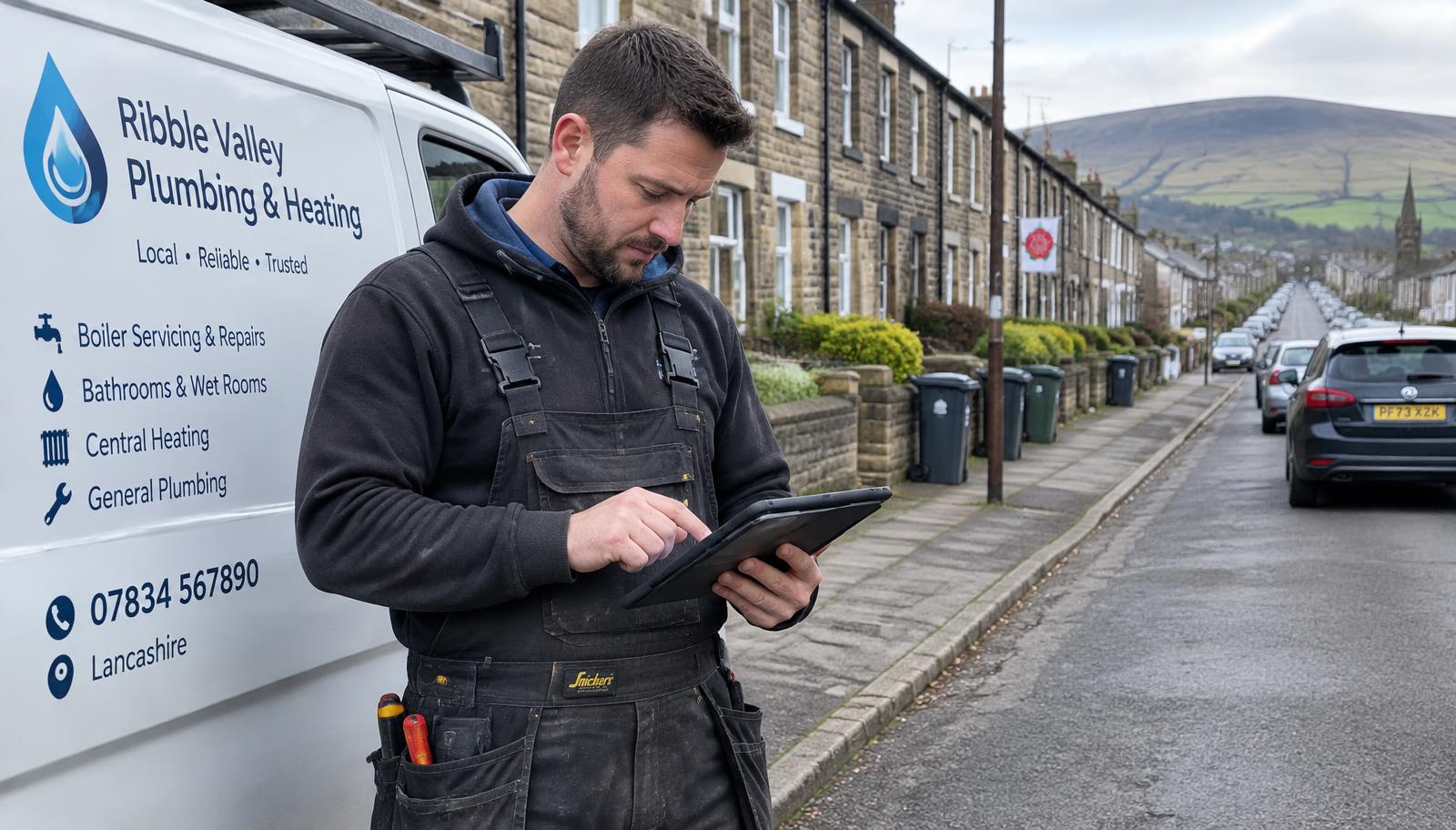
For example, a Lancashire-based homeware brand I worked with launched on Shopify in two weeks with just ten products. They used basic SEO and Facebook ads. Over six months, they added more products, improved their descriptions, and started a blog. Their traffic grew steadily. If they had waited to have a perfect site, they would have missed that entire window of growth.
Final Thoughts
Setting up an online store in the UK is a journey, not a one-time task. You will learn as you go. But if you choose the right platform, focus on mobile and speed, set up payments properly, and pay attention to local SEO and GDPR, you give yourself a real chance. Whether you are in Burnley, Preston, or anywhere in Lancashire, the same principles apply.
I have seen firsthand how a good online store can transform a small business. It is not magic. It is just careful planning and consistent effort. And it starts with understanding your options and making the right calls for your specific situation.